

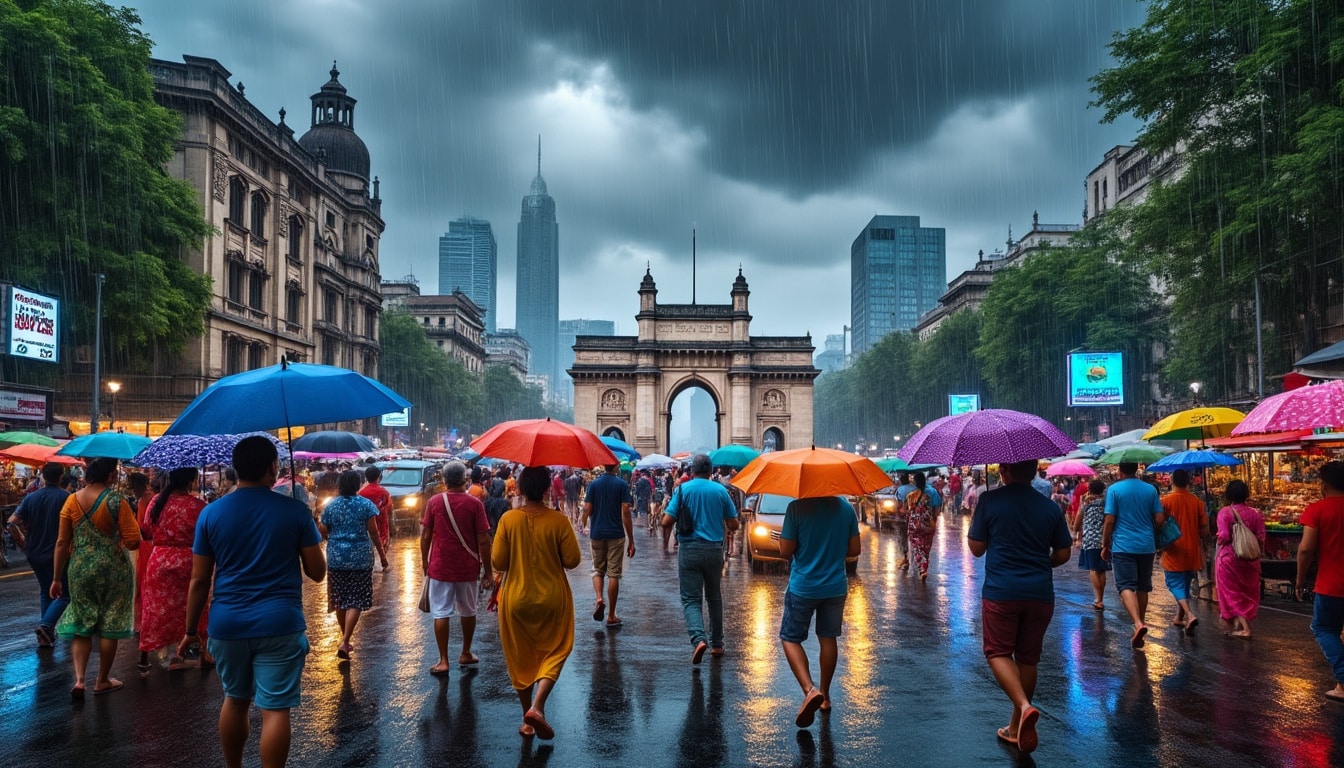
Monsoon is one of the most awaited natural events in many regions, bringing refreshing rains after the scorching heat of summer. The arrival of the monsoon not only provides relief but also brings a change in the landscape, culture, and way of life. This article delves into the significance of the monsoon season, its impact on agriculture, environment, and daily life, as well as some of the challenges it brings.
Understanding the Monsoon: What Is It?
The monsoon refers to the seasonal winds that bring heavy rainfall to certain parts of the world, especially in Asia. Derived from the Arabic word mausim, meaning season, it is a vital climate phenomenon that influences weather patterns in tropical and subtropical regions.
The monsoon season is marked by strong, moisture-laden winds that change direction, resulting in consistent rainfalls. These winds play a crucial role in replenishing water resources and supporting agriculture.
The Science Behind Monsoon Rains
Monsoon rains occur when warm, moist air from the oceans moves inland, causing the temperature and pressure differences that lead to cloud formation. The moisture in the air condenses, forming heavy rains. The monsoon’s onset and intensity are influenced by various factors, including sea surface temperatures, atmospheric pressure systems, and geographical features.
In regions like India, Southeast Asia, and parts of Africa, the is an essential weather event that can last for several months, typically from June to September.
The Impact of Monsoon on Agriculture
One of the most significant benefits of the monsoon season is its impact on agriculture. In countries dependent on rain-fed farming, like India, the monsoon is crucial for crops like rice, sugarcane, and cotton. The rains help replenish the soil with moisture, providing the much-needed water for crops to grow.
Monsoon’s Role in Crop Yields
The right amount of rainfall can significantly improve agricultural yields. However, too little or too much rain can cause damage. A drought during the monsoon can lead to crop failure, while excessive rain may lead to flooding, which damages fields and reduces yields.
Farmers prepare for the monsoon season by planting crops that are suitable for the weather conditions, and governments often monitor rainfall patterns to ensure food security.
Challenges for Agriculture
Though the monsoon provides much-needed water, unpredictable rainfall patterns and floods can cause immense damage. In recent years, climate change has led to irregular cycles, leading to shorter or delayed rainy seasons, or unexpected surges in rainfall.
Environmental Effects of the Monsoon
While monsoon rains are essential for agricultural growth, they also have significant environmental effects. The monsoon season can be a time of rejuvenation for ecosystems but also presents several environmental challenges.
Water Scarcity and Flooding
In regions where rainfall is insufficient, the monsoon can relieve water scarcity. However, in areas where there is an excess of rainfall, flooding becomes a serious concern. Flash floods can damage infrastructure, displace communities, and harm the environment. Riverbanks often overflow, leading to landslides and erosion.
On the other hand, the also helps replenish groundwater reserves, especially in areas with effective water management systems.
Impact on Flora and Fauna
The monsoon season brings life back to dry, arid regions. Forests and jungles come alive with lush greenery, and migratory animals return to these areas. Birds, insects, and amphibians thrive in the wet conditions, which also lead to the bloom of various plant species.
Soil Erosion and Landslides
Excessive rainfall can lead to soil erosion, especially in hilly and mountainous areas. As the rainwater washes away the topsoil, it affects the fertility of the land. Landslides, a common result of heavy rainfall, can block roads, damage homes, and even cause loss of life.
The Cultural Significance of Monsoon
In many countries, especially in South Asia, the season is culturally significant. The rains bring relief from the intense heat of summer, marking the beginning of a new agricultural cycle.
Festivals and Celebrations
The monsoon season is celebrated with festivals and cultural events in many parts of the world. In India, for example, the festival of Onam in Kerala and Teej in Rajasthan are closely associated with the monsoon. People celebrate the arrival of rain with traditional dances, rituals, and food.
Monsoon and Folklore
Monsoon rains also feature prominently in folklore and mythology. In many cultures, the is personified as a deity or a god who brings prosperity and life to the land. Ancient rituals and prayers for rain are still performed in rural areas.
Challenges Brought by the Monsoon
While the brings several benefits, it also comes with its own set of challenges. Floods, waterlogging, and diseases like malaria and dengue fever thrive during this time. Cities, especially those with poor infrastructure, often face waterlogging and traffic jams due to the heavy rains.
Urban Challenges During the Monsoon
In urban areas, the season presents challenges in managing water runoff. Poor drainage systems lead to the accumulation of water on roads, causing traffic disruption and health hazards. Mosquito-borne diseases, like dengue and malaria, become a significant concern during this time.
Climate Change and Unpredictable Monsoons
Climate change has led to unpredictable shifts in the timing and intensity. In some places, this unpredictability results in either delayed rains or floods that damage infrastructure. Governments and environmental agencies are working to adapt to these changes by improving weather forecasting and building flood control systems.
Conclusion: Embracing the Monsoon
The monsoon is a powerful natural phenomenon that has a profound impact on the environment, agriculture, and culture. It brings much-needed relief to many regions and plays an essential role in sustaining ecosystems and livelihoods. However, the challenges it brings—such as flooding, soil erosion, and diseases—require careful management and adaptation, especially in the face of climate change.
As we embrace the it is crucial to respect the power of nature while finding sustainable ways to harness its benefits. From agricultural innovations to urban planning, proper management can help minimize its negative effects and ensure a thriving environment for all.
